
The Role of Luck in Gambling Games
Luck plays a crucial role in the world of gambling, often being the deciding factor in many games. In games like slots or roulette, players have little to no influence over the outcome, as these games are entirely based on chance. Every spin of the reel or roll of the ball constitutes a new opportunity for fortune or misfortune, making luck the predominant element. Players looking for excitement might explore options like crypto casino instant withdrawal platforms that offer quick payouts, which can dramatically enhance their gaming experience. This inherent randomness can lead to significant winnings or losses in a very short period, illustrating how luck can dramatically impact a player’s experience.
Furthermore, the excitement of casino games largely stems from this element of luck. Players often enjoy the thrill of not knowing what will happen next; it is this unpredictability that keeps enthusiasts returning for more. The allure of hitting a jackpot or scoring a big win on a particular hand can be enticing, as players believe that luck may favor them at any moment. In this manner, casinos are designed to amplify the role of luck, using flashing lights and sounds to enhance the experience of chance.
However, while luck can lead to unpredictable outcomes, it is essential to understand that it is often ephemeral. Many players experience winning streaks, only to find that luck shifts away from them just as quickly. Thus, while luck is a significant factor, it is not the sole determinant of success in gambling. Understanding the transient nature of luck can help players approach gambling with a balanced mindset, recognizing that their fortunes may change at any moment.
The Importance of Skill in Strategy-Based Games
While luck is an undeniable factor in many casino games, skill becomes paramount in others, particularly those that require strategic thinking and decision-making. Games such as poker and blackjack hinge on the player’s ability to read opponents, manage their bets, and make tactical choices based on probabilities. A skilled player can significantly increase their chances of winning by employing strategies that account for both the game’s rules and their opponents’ behaviors. This dimension of skill adds depth to these games, distinguishing them from purely luck-based options.
An example of skill playing a vital role is evident in professional poker tournaments. Here, players engage in long sessions where psychological tactics and mathematical analysis are crucial for success. The ability to bluff, calculate odds, and manage chips becomes more important than chance alone. Players who devote time to honing their skills can gain an edge over less experienced opponents, often transforming their gambling experience from sheer luck into a calculated endeavor.
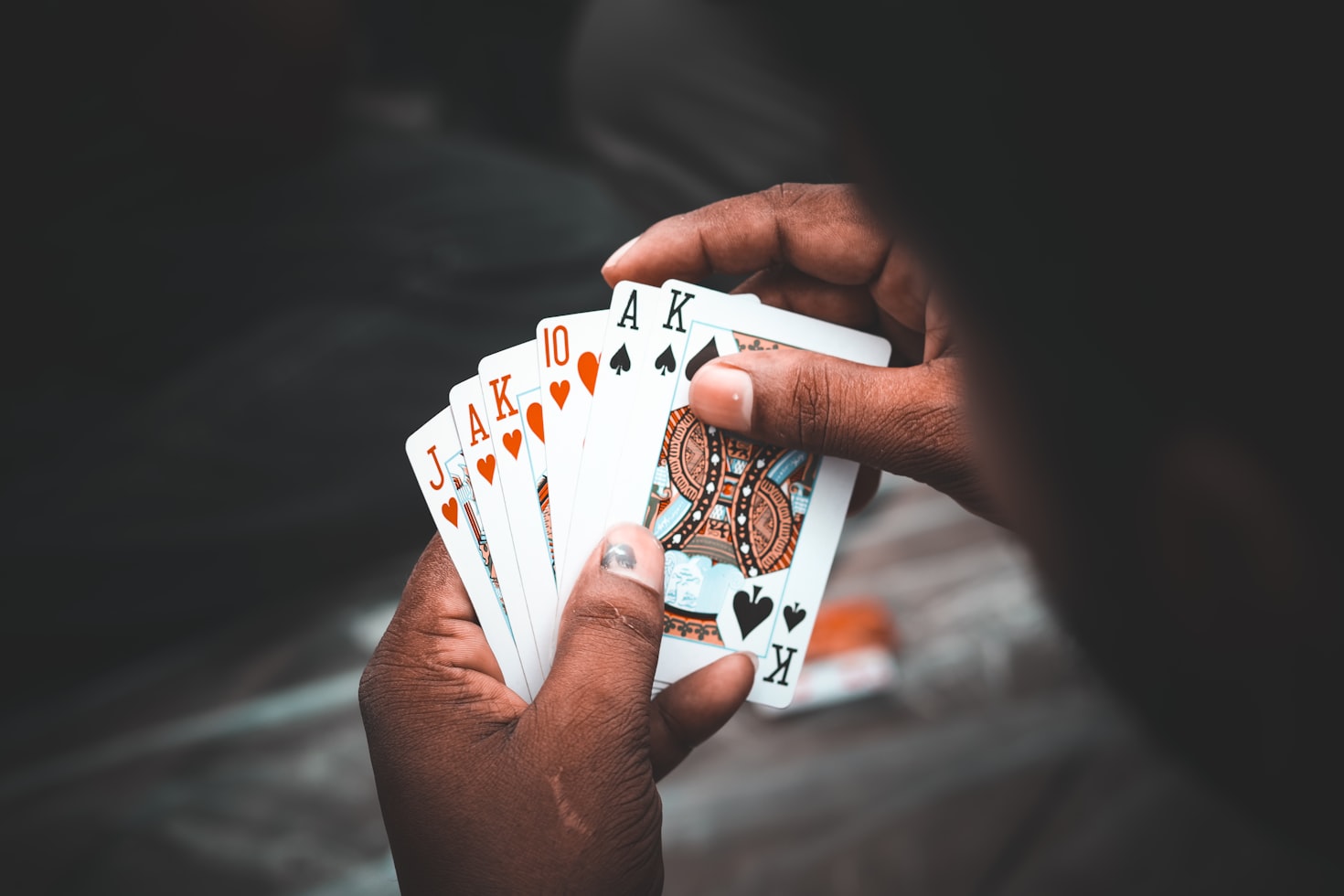
Moreover, another aspect of skill is recognizing when to play and when to fold. In games like blackjack, understanding when to hit or stand can be the difference between winning and losing, stressing the importance of informed decision-making. Players who rely solely on luck may find themselves at a disadvantage compared to those who can leverage their skills to mitigate losses and maximize gains in strategic gameplay environments.
The Balance of Luck and Skill in Casinos
The interplay between luck and skill creates a unique dynamic that defines the casino experience. While some games are purely based on chance, others allow for skillful play. This mix is what attracts various demographics of players; casual gamblers may prefer the thrill of slots, while seasoned players often gravitate toward strategy-intensive games. This balance ensures that casinos cater to a wide array of preferences, creating an inclusive environment that acknowledges both elements.
Furthermore, the perception of luck versus skill can influence a player’s mindset and approach to gambling. Those who believe in their ability to affect outcomes through skill may approach their gameplay differently than those who see it purely as a game of chance. This psychological perspective can impact betting behavior, leading to higher stakes for skilled players who feel confident in their strategies, while luck-centric players may engage in more erratic betting patterns fueled by the highs and lows of chance.
Ultimately, the coexistence of luck and skill enriches the gaming environment within casinos. It allows for stories of triumph and loss, where the thrill of gambling is enhanced by the uncertainty of luck and the excitement of skill-based victories. This synergy creates a vibrant culture in gambling, encouraging players to engage in a perpetual dance between fate and expertise.
Responsible Gambling and the Awareness of Chance
As players navigate the landscape of luck and skill, it is imperative for them to understand the importance of responsible gambling. Awareness of the odds and the inherent risks of gambling can lead to more informed decisions and a healthier approach to gaming. Understanding that games of chance can lead to losses encourages players to set limits and gamble responsibly. By recognizing that luck will not always be on their side, players can mitigate potential financial pitfalls.

Moreover, adopting a strategy that incorporates an understanding of luck and skill can enhance the overall enjoyment of the gambling experience. Players who are aware of their strengths and weaknesses can tailor their strategies accordingly, ensuring that they engage in games where they feel most competent. This mindful approach to gambling not only fosters responsible play but also enables individuals to enjoy the thrill of the casino without being overly reliant on luck.
In essence, responsible gambling emphasizes the importance of balancing the excitement of luck with the pragmatism of skill. This balance fosters a more enjoyable gambling experience where players can appreciate the nuances of each game, whether it relies on chance or strategy. By cultivating this awareness, gamblers can make more informed choices and enjoy their time in casinos in a safe and responsible manner.
Exploring More on the Luck vs. Skill Debate
For those interested in delving deeper into the intriguing debate of luck versus skill in casinos, there are numerous resources and platforms available that offer valuable insights. These platforms often feature discussions on game strategies, statistics, and expert opinions that can enrich a player’s understanding of the games they enjoy. Engaging with communities of experienced gamblers can also provide practical advice and sharing of personal experiences that highlight the various dimensions of luck and skill.
Moreover, many websites offer comprehensive guides and articles that explore the mechanics of different casino games, detailing how both luck and skill play a role in outcomes. These insights can help players enhance their gaming strategies and empower them to approach their gambling endeavors with greater knowledge and confidence. By leveraging such resources, players can cultivate their skills while remaining cognizant of the role that luck plays in their gaming outcomes.
Ultimately, gaining awareness about luck versus skill not only deepens the understanding of casino dynamics but also fosters an appreciation of the complexities involved in gambling. By actively seeking out information and engaging in discussions, players can enrich their gaming experiences, making informed decisions that enhance their enjoyment and success within the dynamic environment of casinos.